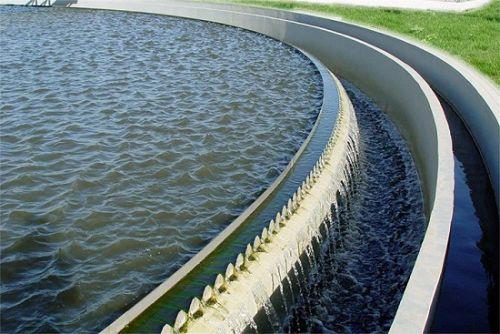
Dairy industry wastewater mainly comes from the high concentration of production wastewater produced by the processing, cleaning, and processing of containers, pipelines and equipment in liquid milk, cold drinks, milk powder, raw milk, etc., as well as the lower concentration of production wastewater from the production workshop and site cleaning.


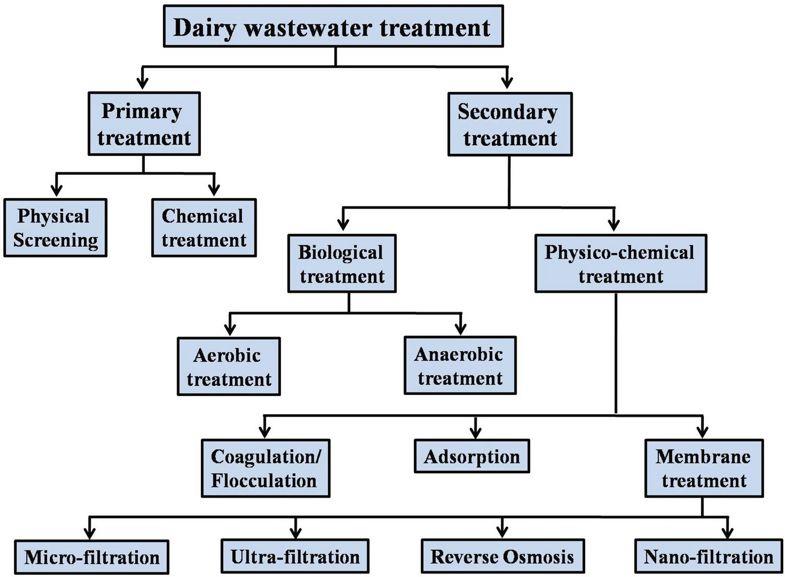
Characteristics of Dairy industry wastewater
Dairy industry wastewater mainly comes from the high concentration of production wastewater produced by the processing, cleaning, and processing of containers, pipelines and equipment in liquid milk, cold drinks, milk powder, raw milk, etc., as well as the lower concentration of production wastewater from the production workshop and site cleaning. And part of the domestic wastewater. It is often discharged in a batch manner because of the limitations of the production process, and the quality of water and water varies greatly with time and production shifts. The pollutants in the wastewater are mainly milk proteins (such as casein, whey protein, etc.), milk fat, lactose, animal and vegetable oils, colloids, acids, alkalis and inorganic salts, etc. And most of them have good biochemical properties.
General treatment process
Dairy industry wastewater flows through the bar screen channel and is discharged into a hydrolysis acidification tank for hydrolysis and acidification. Dairy industry wastewater after hydrating acidification tank enters the UASB reactor for anaerobic treatment after passing through the oil separation clarifiers. Finally wastewater treated by the UASB reactor enters the SBR reactor for aerobic treatment.
Relevant Product recommendation Reference case